


Digital Transformation, Tech Disruption, & Cybersecurity
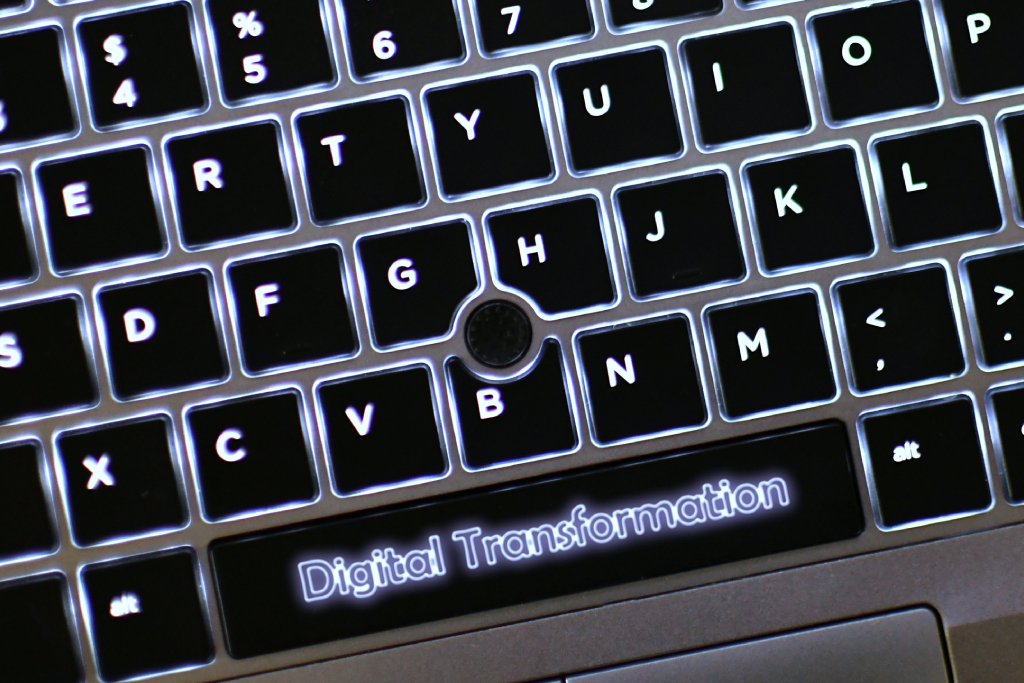
Why Digital Transformation, Tech Disruption, and Cybersecurity Will Keep Business Owners Awake in 2025
If you run a business in 2025, your brain probably hurts once in awhile. Every day brings a new “update,” “platform,” or “AI-powered something.” Most just want to run their business, not build a Rocketship. But technology isn’t waiting for anyone to catch up.
This blog tackles why digital transformation, tech disruption, and cybersecurity aren’t just popular buzzwords—they’re the three biggest business headaches right now.
Digital Transformation and the Homework That Never Ends
Every business owner has homework. In 2025, it’s focused on digital transformation. You can’t skip it, and you can’t copy someone else’s work.
Think of it like cleaning your garage. You start small. Put up one shelf, hang up one tool. Then you realize that everything in the room is connected. With your business, your sales system links to your accounting system, which links to your customer portal, which links to your… sanity. Right?
The objective sounds simple: run your business better with tech. The problem? The tech keeps changing faster than you can install it. Or train staff on mastering it.
Last year’s “must-have” software now needs an upgrade. The cloud platform you picked in 2020? It’s outgrown your needs. You spend more time logging in and resetting passwords than using the thing for what it was built for.
Still, you can’t ignore it. Customers expect speed, accuracy, and convenience. They want to order, pay, and get support from their phone at 2 a.m. And if your system can’t do that, they’ll find someone else’s that can. And they’re out there waiting for your customers as well.
Digital transformation isn’t a project. Think of it like a treadmill that never stops. The trick is learning to jog without falling off.
Your Competitor Might Be a Kid with a Laptop
Once, your biggest threat was a rival business across town. Now it might be a 19-year-old building an app in his basement. I recall seeing a recruitment ad that stated, video game developer wanted – age no barrier.
Unfortunately, technology doesn’t just change the tools. It also changes the rules. Entire industries have flipped. Think about the taxi business, hospitality industry, and travel —all changed overnight by someone with a better idea and some computer code.
You might think your business is “too small to be affected.” Be careful, that’s what the taxi companies thought.
Tech disruption isn’t about new software and gadgets. It’s about new ways to deliver value. Subscription models, automation, and AI-driven everything are changing how people buy and what they expect. And suddenly the bar is higher for everyone.
Take accounting, for example. (Don’t groan—it’s important to your livelihood.) Bookkeeping software now scans receipts, sorts expenses, and fills reports automatically. That’s great news for clients. For us as accountants, it means being able to offer new value—advice, insights, strategy—instead of just entering data.
The same story plays out in every field. Automation handles routine work. AI helps make decisions. The result? Data drives choices faster than gut instinct ever could.
So, the winners in 2025 aren’t the ones with the most money to invest. They’re the ones who adapt first, stay flexible, and look ahead.
Let’s face it, disruption sounds scary. But it’s also an open door beckoning the savvy. The smart move isn’t to fight against change—it’s to ride it. Just don’t fall asleep on your surfboard. That leads to wipeout.
Cybersecurity Hackers Don’t Take Vacations
It seems like every week, there’s another computer breach in the news. Some massive company gets hacked, customer data spills out, and everyone scrambles to change their passwords.
It’s tempting to think, “That won’t happen to us.” But small and mid-size businesses are now prime targets as well. Hackers know smaller companies often have weaker defenses but still hold valuable data.
In 2025, the cyber threats are smarter, faster, and sneakier than ever. AI tools can write phishing emails that sound like your real coworkers. Malware hides inside innocent-looking
attachments. Including photos. Even your smart coffee machine might be spying on you. (Okay, maybe not—but don’t risk it.)
The scary part? You don’t need to lose millions for a hack to hurt. A few hours of downtime, lost trust, or leaked client info can wreck your reputation, and impact client trust.
Cybersecurity isn’t an IT issue anymore—it’s a business survival issue. And an immediate concern. Every employee needs to know how to spot scams. Don’t assume they are familiar with them. Some have never heard of the oldest ones out there, and new ones appear regularly. Plus, every device needs regular updates. And every password needs to be stronger than “Admin123.”
Think of cybersecurity like locking your doors at night. You hope no one tries to break in, but you’d also be foolish to leave them wide open.
The Perfect Triple Storm
Digital transformation, tech disruption, and cybersecurity. Now imagine juggling all three while still managing your daily work. Well, that’s 2025 in a nutshell.
Businesses must upgrade their systems or fall behind. It’s that simple. Embrace new tech, or someone else eats your lunch. Secure everything or risk losing it all.
No wonder business owners are tired. It feels like running a marathon with someone constantly moving the finish line. How do you get there? But here’s the flip side: those who manage to balance these forces don’t just survive—they thrive. Even in tough times.
Businesses that invest in smart digital tools get leaner and faster. Companies that stay open to new tech discover better ways to serve customers. And teams that take cybersecurity seriously sleep better at night (and so do their clients).
It’s not about chasing every shiny gadget. It’s about choosing the right ones that help your people do their jobs.
The Human Side of High Tech
Under all the apps, systems, and firewalls, there’s still one key factor—people. Digital transformation fails when humans aren’t ready. Tech disruption hurts when teams resist change. Cybersecurity collapses when someone clicks the wrong link.
The best defense is training, communication, and common sense. Encourage curiosity instead of fear. Make tech updates part of normal business life, not a dreaded event.
And remember technology is a tool, not a goal. It’s there to make life easier, not more confusing.
What Smart Businesses Are Doing
In 2025, forward-thinking companies aren’t chasing trends—they’re staying focused on building habits.
- They back up data daily.
- They update systems before problems happen.
- They use AI but double-check the output.
- They teach employees how to stay safe online and protect data.
- They pick tech partners who explain things clearly, not with jargon.
But, most importantly, they accept that business digital transformation never really ends. It’s like brushing your teeth. You don’t stop because you did it yesterday, because you never know when your smile can make a difference.
The Results
So, the world isn’t slowing down, it’s speeding up. Digital change is constant, and tech disruption is everywhere. Cyber threats are real, and everyone needs top be on guard.
But that’s okay. Being in business has always been about solving problems and adapting to change. The tools just look and feel different now.
In 2025, staying still is riskier than moving forward. Much riskier. So, take small steps. Clean that “garage” out. Learn a new system and talk to your team about online safety.
It might feel like it sometimes, but you don’t have to be a tech genius to stay ahead. You just need to keep learning, stay alert, and never believe anyone who says, “This upgrade will fix everything.” Because it won’t. But it’s a start.